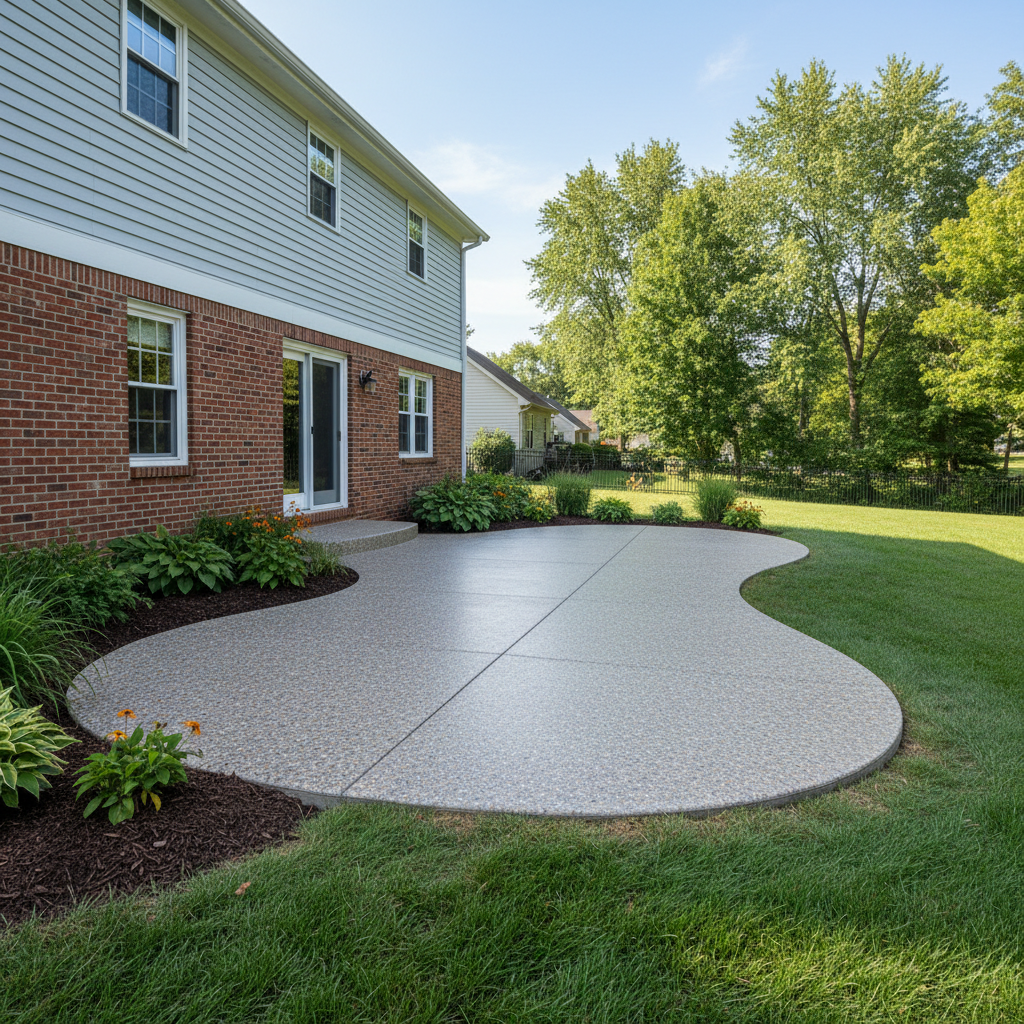
Alright, let's talk concrete patios. Everyone wants a great outdoor space, right? But I've seen too many folks around Waukegan make some pretty common blunders. These mistakes usually end up costing them time, money, and a whole lot of frustration. I'm here to tell you what to watch out for so you don't become another one of those stories.
Mistake #1: Not Getting Specific Enough About What You Want
This is a big one, honestly. People often call us up, say they want a 'concrete patio,' and then expect us to read their minds. Look, there are a million ways to pour a patio. Are we talking about a simple broom-finish slab for a grill? Or do you picture a decorative stamped concrete patio with a fire pit area and a walkway leading to it? Do you want it flush with your back door, or a step down? What about drainage? How big do you actually need it to be for your furniture and activities?
If you're vague, you're going to get a vague quote. And if you don't have a clear picture in your head, you might end up with something that just doesn't work for your lifestyle. Spend some time looking at pictures online. Measure out your space with a hose or spray paint. Think about how you'll use it. The more details you can give us upfront, the better the plan will be, and the more accurate your estimate.
Mistake #2: Focusing Only on the Lowest Bid
I get it, everyone wants a good deal. But when it comes to concrete, the cheapest price often means corners are being cut. And believe me, with concrete, those shortcuts will show up eventually. Usually, you'll see cracks, uneven surfaces, or drainage issues. We're talking about something that's going to be outside, exposed to our crazy Waukegan weather – those freeze-thaw cycles we get can be brutal on poorly installed concrete.
When you're comparing bids, don't just look at the bottom line. Ask what's included. Does it cover proper sub-base preparation? That's crucial for how long it lasts. What about rebar or wire mesh? What kind of concrete mix are they using? How thick will it be? Are they pulling permits if needed? A slightly higher bid from a reputable company like Valley Concrete Inc that details all these steps is usually money well spent in the long run. It's an investment, not just an expense.
Mistake #3: Ignoring Drainage and Site Prep
This is probably the biggest culprit for future patio problems. You can have the prettiest stamped concrete in the world, but if the water isn't going where it's supposed to, you're going to have a mess. I've seen patios pitched towards houses, causing basement leaks, or creating standing water puddles that never dry. It's not just annoying; it can cause structural damage to your home's foundation over time.
A good contractor will assess your yard's grading and plan for proper drainage. This might mean sloping the patio away from your house, installing a trench drain, or even adjusting the surrounding landscape. And don't forget the sub-base. We're not just pouring concrete onto dirt. We need a compacted gravel base to provide stability and help with drainage. Skipping this step is a recipe for cracking and settling, especially with our clay soils around here that can really shift.
Mistake #4: Not Checking References or Insurance
You wouldn't hire someone to babysit your kids without checking them out, right? Same goes for your patio. Always ask for references and actually call them. Ask about their experience, how they handled any issues, and if the project finished on time and on budget. A good contractor will be happy to provide them.
And this is non-negotiable: make sure they're insured. That means general liability insurance and workers' compensation. If a worker gets hurt on your property and the contractor isn't insured, you could be held liable. It's a huge risk to take for a few bucks saved. Ask for proof of insurance and call their provider to verify it's current. Don't just take their word for it.
Mistake #5: Rushing the Process
Patience is a virtue, especially with concrete. You might be eager to get your patio done, but rushing the curing process or demanding a contractor squeeze you in when their schedule is already packed can lead to problems. Concrete needs time to cure properly to reach its full strength. If you try to seal it too soon or put heavy furniture on it before it's ready, you're asking for trouble.
Also, a good contractor will have a schedule. If someone tells you they can start tomorrow and finish in a day when everyone else is quoting weeks out, that's a red flag. Quality work takes time to plan, prepare, and execute correctly. Don't let impatience lead you to a rushed, shoddy job.
By avoiding these common mistakes, you'll be well on your way to a beautiful, long-lasting concrete patio that you'll enjoy for years, without the headaches. Do your homework, ask the right questions, and choose wisely.