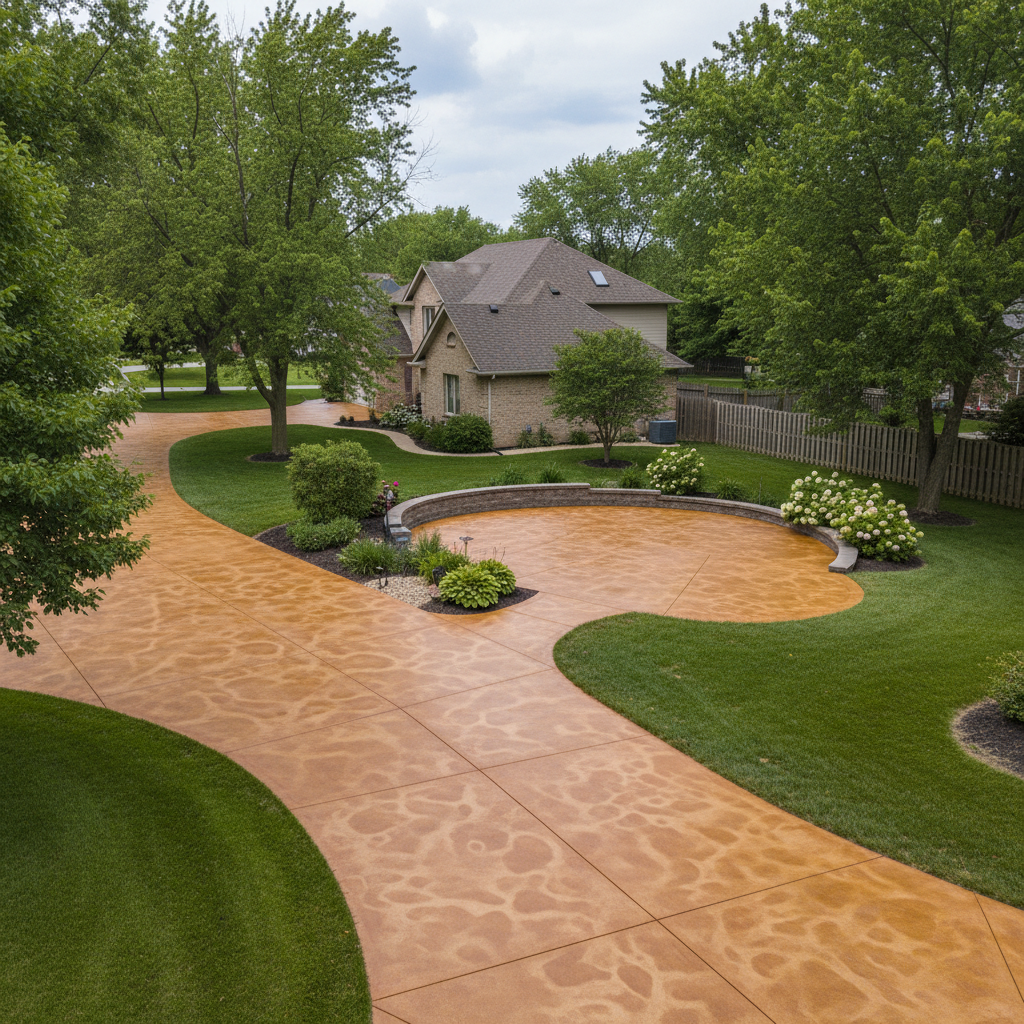
So, you're thinking about staining your concrete. Maybe it's that old patio out back, a dull garage floor, or even an interior slab you want to spruce up. Good choice! Staining concrete can really transform a space, giving it a whole new look without the hassle of tearing out and replacing everything. But, like any good home improvement project, a little planning goes a long way. Let's talk about what you need to know to get this done right, okay?
Setting Your Project Timeline
People often ask me, "How long does concrete staining take?" The honest answer? It varies. It's not just about the actual staining time; there's prep, curing, and sealing involved. You're not going to pick a contractor on Monday and have a finished patio by Friday, especially if it's a bigger job or the weather isn't cooperating.
- Initial Contact & Quote: This part can be quick, maybe a few days to a week. You call us, we come out, measure, discuss options (acid stain, water-based, solid color, translucent), and get you a price.
- Scheduling: Once you approve the quote, scheduling depends on our current workload and, of course, the weather. Spring and fall are popular for outdoor work, so you might wait a few weeks. For interior jobs, it's often more flexible.
- Preparation: This is crucial, and it often takes the longest. We're talking about cleaning, degreasing, possibly grinding or patching, and making sure the surface is absolutely ready to accept the stain. This alone can eat up a day or two for a decent-sized patio. If there's old paint or sealer, it's even more involved.
- Staining & Sealing: The actual application of the stain and then the sealer. This might be a day or two of active work, depending on the size and complexity. Multiple coats of sealer can mean waiting between applications, too.
- Curing Time: This is where patience really comes in. The stain needs to fully react, and the sealer needs to cure. You might be able to walk on it lightly after 24-48 hours, but it could be 3-7 days before you can put furniture back or drive a car on it. Your contractor will give you specific instructions.
So, from that first call to full use, you're probably looking at a 2-4 week window. Sometimes more, especially if you're really particular about scheduling or have a huge area. Don't rush it; rushing leads to mistakes and a finish that just won't last.
What to Expect During the Process
When we're on site, here's a general idea of what's happening:
- Surface Prep is King: I can't stress this enough. If the concrete isn't clean and porous, the stain won't penetrate evenly, and you'll end up with a splotchy mess. We'll power wash, potentially use chemical strippers, and maybe even mechanical grinders to get rid of old coatings, dirt, oil, and anything else that would prevent proper adhesion. Dust control is a big deal, particularly indoors.
- Acid Etching (for some stains): If we're using an acid-based stain, we'll often etch the concrete first. This opens up the pores. It involves strong chemicals, so we'll be taking all necessary safety precautions.
- Stain Application: We usually do this with sprayers, brushes, or rollers, depending on the desired effect. We'll work in sections, making sure to get an even application. Different stains react differently, so we're always watching how it's taking.
- Neutralization & Rinse (for acid stains): After the acid stain has reacted, we need to neutralize and thoroughly rinse it. This creates a fair amount of wastewater, which we'll manage responsibly.
- Drying Time: The concrete needs to dry completely before sealing. This can take several hours or even a day, depending on humidity and temperature.
- Sealer Application: We'll apply one or more coats of a protective sealer. This is what locks in the color, provides durability, and makes the surface easier to clean. It also gives it that finished look – matte, satin, or gloss.
It's not a quiet process, especially during prep. Expect some noise from power washers or grinders, and there will be some fumes from chemicals, though we always ensure good ventilation.
How You Can Prepare Your Home
You've got a role to play too! Your preparation helps us do our job efficiently and keeps your property safe.
- Clear the Area: Move all furniture, potted plants, grills, vehicles, and anything else off the concrete surface. If it's an interior job, clear out the room completely. We're not movers, and we charge extra if we have to do it.
- Protect Nearby Surfaces: If it's an outdoor patio, trim back any bushes or plants that are right up against the concrete. For interior jobs, cover walls, baseboards, and any furniture that can't be moved with plastic sheeting. Stain can splash, and you don't want it on your prize-winning hydrangeas or your freshly painted walls.
- Ensure Access to Water & Power: We'll need access to an outdoor water spigot and electrical outlets. Make sure they're working.
- Pet & Child Safety: Keep pets and children away from the work area, especially during chemical application and curing times. This isn't a playground, after all.
- Communicate: If you have any specific concerns about protecting certain areas or have questions about the process, talk to us before we start.
Seriously, the more you clear out, the smoother things go. It helps us focus on the concrete, not on moving your stuff.
Questions to Ask Before Signing a Contract
Before you shake hands or sign on the dotted line, make sure you're comfortable with your contractor. Here are some questions I'd ask if I were in your shoes:
- What type of stain are you proposing (acid, water-based, acrylic)? Why is that the best choice for my specific concrete and desired look? Different stains have different looks and longevity. You want to know you're getting the right one.
- What's your exact prep process? How do you handle existing sealers or coatings? This is probably the most important question. A good contractor will have a detailed answer. If they gloss over prep, that's a red flag.
- What kind of sealer will you use, and how many coats? What's the maintenance like for that sealer? Sealers protect your investment. Some are more durable than others, and they all have different maintenance requirements.
- How do you handle unexpected issues, like a section of concrete that doesn't take the stain well? Sometimes concrete has hidden issues that only show up during staining. You want a contractor who has a plan for that.
- What's the warranty on your work, both for the stain and the sealer? A reputable company like Valley Concrete Inc stands behind their work.
- Can you provide references or show me examples of similar staining projects you've done in Waukegan or nearby? Seeing their work firsthand is invaluable.
- What's the payment schedule? Is a deposit required? Understand the financial terms upfront.
- What's the estimated timeline from start to finish, including curing? Get a clear expectation so you can plan your life around it.
Choosing the right contractor and being prepared yourself makes all the difference. Stained concrete is a beautiful, durable finish when it's done right. Take your time, ask the tough questions, and you'll end up with a surface you'll love for years.